
Ashura 2026 in Iran: Faith, Mourning, and National Unity During Historic Ceremonies
Ashura 2026 in Iran witnessed millions participating in mourning ceremonies that combined religious devotion with national solidarity, honoring Imam Hussein alongside those killed in recent conflicts.

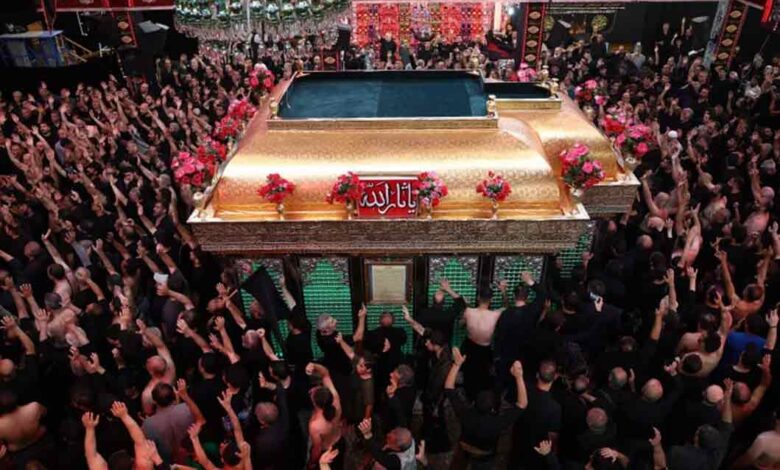
Ashura 2026 in Iran: Faith and National Identity Come Together During Historic Observance
Ashura, one of the holiest days in Shia Islam, was marked across Iran with large-scale religious processions, mourning ceremonies, and public gatherings that reflected both deep spiritual devotion and a renewed sense of national solidarity. This year’s observance carried added emotional significance as it followed months of regional conflict, making the annual commemoration more than just a religious occasion.
Cities across the country, including Tehran, witnessed streets filled with black banners, mourning flags, and thousands of participants dressed in black. Religious chants, sermons, and processions honored the martyrdom of Imam Hussein while also remembering those who lost their lives during recent military confrontations involving Iran.
What Is Ashura?
Ashura falls on the 10th day of Muharram, the first month of the Islamic calendar. It commemorates the martyrdom of Imam Hussein, the grandson of Prophet Muhammad, who was killed during the Battle of Karbala in 680 CE.
For Shia Muslims, Imam Hussein symbolizes sacrifice, justice, resistance against oppression, and unwavering faith. Every year, millions participate in mourning ceremonies that include recitations, processions, charitable acts, and religious gatherings.
The message of Ashura continues to inspire believers around the world by emphasizing courage, justice, and moral responsibility.
Read More: Milly Alcock’s Supergirl Set to Redefine the DC Universe
Iran’s Streets Turn Into Centers of Mourning
In preparation for Ashura, neighborhoods across Tehran and other major Iranian cities were decorated with black cloth, religious symbols, and banners expressing grief.
Mosques and religious centers hosted continuous programs featuring:
- Quran recitations
- Religious sermons
- Mourning poetry
- Public processions
- Charitable food distribution
Thousands of worshippers gathered throughout the day and night, participating in traditional ceremonies that have been observed for centuries.
Rēad More: New York Knicks 2026 NBA Draft Strategy: Trades, Roster Moves, and What Comes Next
Remembering Recent Conflict Victims
Unlike previous years, Ashura 2026 also became a moment to remember people killed during Iran’s recent conflict involving the United States and Israel.
Many mourners carried photographs of military personnel, civilians, and public figures who died during the conflict. Their images appeared alongside religious banners honoring Imam Hussein, drawing symbolic parallels between historical sacrifice and contemporary national loss.
Officials and religious speakers described the deceased as martyrs whose sacrifices reflected the enduring values represented by Karbala.
Government and Religious Messages Intertwine
State-supported ceremonies emphasized themes of resilience, unity, and national strength while maintaining the religious focus of Ashura.
Public speeches frequently highlighted:
- National unity
- Resistance against external threats
- Loyalty to the country
- The importance of preserving Islamic values
Government-backed commemorations portrayed recent events through the historical narrative of Imam Hussein’s stand against injustice, encouraging citizens to remain united during difficult times.
Massive Participation Across the Country
Millions of Iranians participated in Ashura ceremonies throughout the nation.
Large crowds gathered in:
- Tehran
- Mashhad
- Qom
- Isfahan
- Shiraz
- Tabriz
Processions moved through major streets while volunteers distributed free meals and drinks to participants, continuing one of Ashura’s most recognized charitable traditions.
Many families attended together, creating an atmosphere that combined solemn remembrance with community solidarity.
Ashura Beyond Iran
Ashura was also observed by Shia Muslim communities across Iraq, Lebanon, Pakistan, Bahrain, and other countries.
In Iraq’s holy city of Karbala, millions of pilgrims gathered at the shrines of Imam Hussein and Abbas ibn Ali despite heightened regional tensions.
Meanwhile, countries with significant Shia populations increased security around religious gatherings to ensure peaceful commemorations.
Read More: Detroit Lions Starting Cornerbacks 2026: Who Will Line Up Opposite D.J. Reed?
Symbolism of Imam Hussein Remains Powerful
The story of Karbala continues to resonate because it represents standing for justice regardless of the odds.
For many participants, Ashura serves as a reminder that faith requires courage, compassion, and commitment to moral principles.
Religious scholars during this year’s ceremonies stressed that Imam Hussein’s sacrifice remains relevant in addressing modern social and political challenges, making Ashura both a historical remembrance and a source of contemporary inspiration.
Emotional Atmosphere Throughout the Ceremonies
The atmosphere during this year’s Ashura was especially emotional.
Traditional mourning rituals included:
- Collective prayers
- Religious chanting
- Processions carrying symbolic standards
- Public sermons
- Community meals
Black clothing, mourning banners, and symbolic decorations transformed city streets into places of remembrance.
Many participants described this year’s observance as one of the most meaningful in recent memory because it united personal grief, religious devotion, and national identity.
International Attention on Iran’s Ashura
The scale of Iran’s Ashura ceremonies attracted significant international media attention.
Observers noted that this year’s commemorations reflected both longstanding religious traditions and the country’s current political climate. The ceremonies demonstrated how historical religious events can take on renewed significance during periods of national crisis.
Analysts also pointed out that references to Karbala continue to play an influential role in Iranian public discourse, where themes of sacrifice and resistance remain central to official messaging.
Ashura 2026 became one of Iran’s most significant religious commemorations in recent years, blending centuries-old traditions with the country’s contemporary experience of conflict and loss. Millions participated in ceremonies honoring Imam Hussein while also remembering those who died in recent events, reinforcing themes of sacrifice, resilience, and unity.
As processions concluded across the country, the observance highlighted the enduring importance of Ashura in Iranian society—not only as a sacred religious occasion but also as a moment for collective reflection and national solidarity.