
Israel Kills Lebanese Journalist as Iran-US Talks Stall Amid Escalating Conflict
Israeli strikes in Lebanon kill journalist Amal Khalil while Iran-US peace talks remain stalled over naval blockade tensions. Full Iran war latest updates.

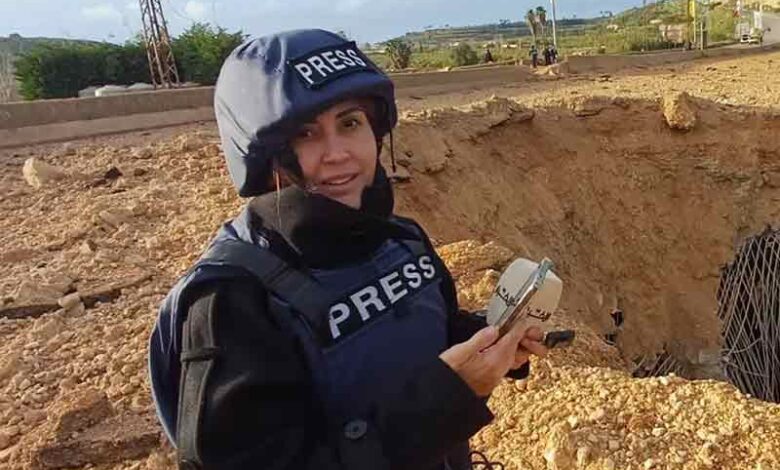
Lebanese Journalist Killed in Israeli Strike; Iran-US Talks Stall
The ongoing Iran war continues to intensify as Israeli airstrikes in southern Lebanon killed a Lebanese journalist and several civilians, while diplomatic efforts between Iran and the United States remain deadlocked. The latest developments highlight rising regional instability and diminishing hopes for immediate peace.
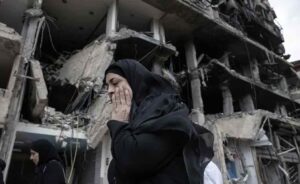
Israeli Strike Kills Journalist in Lebanon
According to live updates, Israeli attacks in southern Lebanon killed at least five people, including journalist Amal Khalil, in what Lebanese officials described as a serious violation of international law.
Reports indicate that Khalil was covering conflict developments when the strike occurred. Another journalist was injured during the incident. International organizations have condemned the attack, raising concerns over journalist safety in war zones.
Additional reports confirm that the strike targeted areas where civilians had taken shelter, further escalating tensions between Israel and Lebanon.
Iran Blames US Blockade for Stalled Talks
Iranian officials have blamed the United States for the breakdown in peace negotiations, citing the ongoing naval blockade of Iranian ports as the primary obstacle.
President Masoud Pezeshkian stated that while Iran is open to dialogue, “breach of commitments, blockade and threats” continue to prevent meaningful negotiations.
The United States, however, maintains that the blockade is necessary for security and continues to enforce restrictions in the region.
Strait of Hormuz Tensions Escalate
Tensions have further escalated in the Strait of Hormuz, a critical global oil route. Iran’s Revolutionary Guard reportedly seized two vessels and opened fire on another accused of violating maritime rules.
Meanwhile, US forces have reportedly turned back multiple ships as part of the blockade, increasing risks to global trade and energy supply chains.
Ceasefire Under Threat
Although a temporary ceasefire between Israel and Lebanon is in place, repeated violations are raising fears of a broader conflict. Israeli strikes and Hezbollah-related tensions continue to undermine stability in the region.
Analysts warn that continued military actions could derail any remaining chances for diplomatic resolution.
Global Impact of the Iran War
The conflict is already having global consequences:
- Rising oil prices due to disruptions in the Strait of Hormuz
- Increased geopolitical tensions across the Middle East
- Growing humanitarian concerns in Lebanon and Iran
European leaders have also expressed concern about the war’s economic fallout, particularly energy shortages.
The killing of a Lebanese journalist and the collapse of Iran-US talks signal a dangerous phase in the Iran war. With both military escalation and diplomatic deadlock intensifying, the path to peace remains uncertain.
Ceasefire in Lebanon Offers Hope
A temporary ceasefire between Israel and Hezbollah in Lebanon has helped reduce regional violence.
- The truce aims to limit cross-border attacks
- It could play a key role in broader peace negotiations
- However, both sides remain cautious and distrustful
Experts say this ceasefire is critical to preventing a wider regional war.
Rising Casualties and Human Impact
The war has already resulted in significant human losses:
- Thousands killed across Iran and Lebanon
- Dozens of casualties in Israel and Gulf countries
- U.S. military personnel also among the dead
The humanitarian crisis continues to worsen as fighting spreads across the region.
Global Economic Impact
The conflict has had a major effect on global markets:
- Oil prices surged due to supply disruptions
- Markets reacted positively after the strait reopened
- Energy security remains a top concern worldwide
The Strait of Hormuz remains a critical pressure point in the conflict.
What Happens Next?
While diplomatic efforts are ongoing, major challenges remain:
- Disagreements over Iran’s nuclear program
- Military tensions between Israel and Iran-backed groups
- Uncertainty around long-term ceasefire agreements
Any failure in negotiations could trigger a new phase of conflict.
The Iran war in 2026 stands at a critical crossroads. While the reopening of the Strait of Hormuz and temporary ceasefires offer hope, strong warnings from the U.S. indicate that peace is far from guaranteed. The coming days will be crucial in determining whether the region moves toward stability or deeper conflict.