
New York Knicks 2026 NBA Draft Strategy: Trades, Roster Moves, and What Comes Next
The New York Knicks took an aggressive approach during the 2026 NBA Draft, making multiple trades to gain future assets while maintaining salary flexibility. Here's a complete breakdown of their strategy and roster outlook.

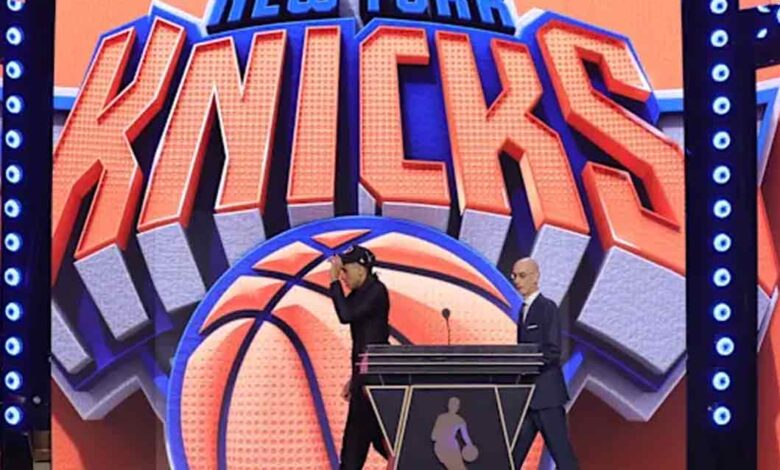
New York Knicks 2026 NBA Draft Strategy: Trades, Roster Moves, and What Comes Next
The New York Knicks entered the 2026 NBA Draft fresh off a championship-winning season, but instead of making splashy selections, the organization focused on a different goal: building long-term flexibility while protecting its financial future.
Throughout the draft, the Knicks were among the league’s most active teams, completing several trades that reshaped their draft capital and positioned them for future roster moves. Rather than using high draft picks on players expected to contribute immediately, New York prioritized acquiring additional assets and maintaining salary-cap flexibility.
Knicks Prioritize Future Assets Over Immediate Draft Picks
One of the biggest themes of New York’s draft strategy was trading down and accumulating future picks.
The Knicks moved several selections during the draft process and ultimately acquired additional second-round assets that could be used in future trades or roster upgrades. A notable move involved sending the No. 31 overall pick and another second-round selection in exchange for lower picks and a valuable 2029 second-round draft choice.
This approach reflects the franchise’s belief that maintaining flexibility is more valuable than adding multiple guaranteed rookie contracts to an already talented roster.
Coming off a championship season, the Knicks have a veteran-heavy core capable of competing for another title immediately. As a result, management appears more focused on supporting that group than developing numerous young players.
Financial Flexibility Remains a Key Priority
A major factor behind New York’s draft-night decisions is the NBA’s restrictive salary-cap system.
The Knicks are trying to stay below the league’s second tax apron, a threshold that can severely limit roster-building options for teams that exceed it. By trading down and avoiding expensive first-round contracts, the organization creates more room to retain important contributors and pursue strategic additions.
The front office understands that maintaining flexibility could prove crucial during free agency and future trade discussions.
Rather than committing millions of dollars to rookie contracts, the Knicks chose to preserve resources that can be used to strengthen a roster already capable of competing for championships.
International Talent Continues to Interest New York
Another noticeable trend from the Knicks’ recent draft activity is their continued investment in international prospects.
New York was linked to several overseas players and has strengthened its collection of international draft rights. The organization has shown increasing confidence in developing talent from Europe and other international leagues.
One notable development involved the return of the draft rights to French forward Melvin Ajinca, a promising young player who has continued his development overseas. While there is no guarantee he joins the NBA roster soon, his addition gives New York another intriguing long-term asset.
The Knicks also maintained interest in international prospects such as Sergio De Larrea during their draft maneuvering, reinforcing the franchise’s growing global scouting strategy.
Roster Decisions Loom Ahead of Free Agency
While the draft generated headlines, the Knicks’ biggest challenges may still be ahead.
Several important players are approaching free agency, and the front office must determine which members of the championship roster will return.
Center Mitchell Robinson remains one of the most discussed names. His defensive presence played a significant role in New York’s success, but salary-cap concerns could make retaining him difficult. Reports suggest multiple teams may pursue Robinson if he becomes available.
The Knicks must also evaluate other contributors as they attempt to balance competitiveness with financial responsibility.
These upcoming decisions could have a greater impact on the team’s championship hopes than any individual draft selection.
New Faces Added Through Draft Activity
Although many draft picks were traded, the Knicks still added young talent to their organizational pipeline.
The team emerged from the draft with prospects such as Jack Kayil and Tyler Nickel while also adding future draft assets. These moves demonstrate a strategy centered on maximizing value rather than focusing solely on draft-night headlines.
By targeting players who may require development time, New York can continue strengthening its depth without placing immediate pressure on its salary structure.
What This Means for the Knicks’ Future
The Knicks’ 2026 NBA Draft strategy reflects the mindset of a championship contender.
Instead of rebuilding or chasing short-term excitement, the organization focused on preserving flexibility, collecting future assets, and preparing for important roster decisions. The front office appears confident in its current core and is looking for ways to sustain success over the long term.
With free agency approaching and several key decisions still pending, New York’s offseason is far from over. However, the draft made one thing clear: the Knicks are thinking beyond the next season and positioning themselves to remain contenders for years to come.
As the NBA offseason continues, fans will closely watch whether these calculated moves help New York defend its championship and build another title-winning roster.
Read More…
Detroit Lions Starting Cornerbacks 2026: Who Will Line Up Opposite D.J. Reed?