
British Indians Back Nigel Farage’s Reform UK in Harrow Local Elections 2026
Growing support for Nigel Farage’s Reform UK among British Indians in Harrow signals a shift in UK local election politics 2026. Explore key issues, immigration debate, and voter sentiment.

Rising Support for Reform UK Among British Indians
A noticeable political shift is emerging in the United Kingdom as some British Indians are increasingly backing Nigel Farage and his party, Reform UK, ahead of the 2026 local elections. Nowhere is this trend more visible than in Harrow, a culturally diverse borough in London with a significant Indian-origin population.
This growing support highlights changing political attitudes among immigrant communities, particularly around key issues such as immigration, national identity, and governance.
The Face of Change: Savitha Prakash
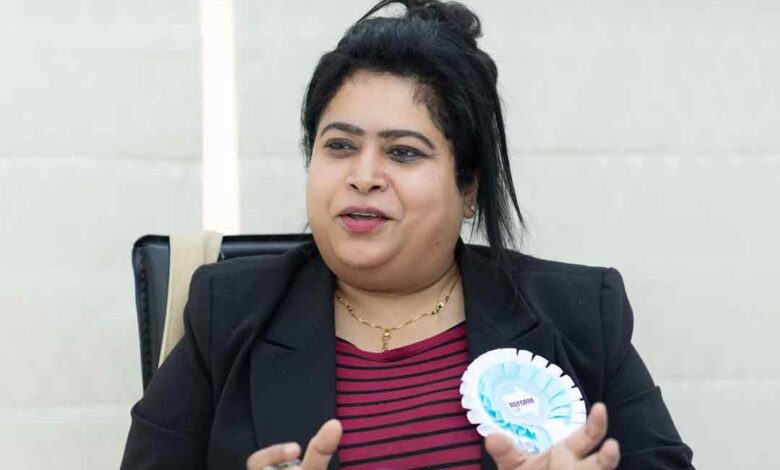
One of the prominent figures behind this shift is Savitha Prakash, an NHS doctor and first-generation immigrant from India. She currently leads the local Reform UK branch in Harrow and is among dozens of candidates contesting in the upcoming elections.
Prakash has drawn comparisons between Nigel Farage and Narendra Modi, praising both leaders for prioritizing the interests of the majority population and delivering decisive governance.
Her stance reflects a broader sentiment among some British Indians who feel that mainstream political parties have failed to address their concerns effectively.
Immigration Debate Driving Political Shift
One of the central issues influencing voter sentiment is immigration policy. Reform UK has taken a hardline approach, advocating stricter immigration controls, higher visa thresholds, and changes to residency rules.
Interestingly, some supporters of these policies are immigrants themselves. Prakash, for example, supports tougher regulations despite her own background, arguing that current policies are unfair and inconsistent.
Many residents in Harrow have expressed frustration over what they perceive as unequal treatment between legal migrants and asylum seekers. This dissatisfaction is fueling support for alternative political options like Reform UK.
Disillusionment with Traditional Parties
Another factor behind Reform UK’s rise is declining trust in traditional political parties such as the Conservatives and Labour.
Some voters believe that the Conservative Party has failed to deliver on its promises regarding immigration control, while Labour is seen by critics as focusing too heavily on minority appeasement.
This political vacuum has created an opportunity for Reform UK to position itself as a strong alternative, particularly among voters seeking stricter policies and a clearer national identity.
Controversies and Criticism
Despite its growing popularity, Reform UK continues to face criticism and controversy. The party has been accused of harboring candidates with offensive or extremist views, raising concerns about its internal vetting processes.
However, supporters like Prakash reject allegations of racism, pointing to the diverse backgrounds of candidates within the party as evidence of inclusivity.
This divide underscores a broader national debate about immigration, identity politics, and the direction of British society.
Impact on 2026 UK Local Elections
The 2026 local elections are shaping up to be a pivotal moment in UK politics. Reform UK is fielding multiple candidates across regions, including Harrow, and aims to make significant gains.
Political analysts suggest that the party could disrupt traditional voting patterns, particularly in areas where voters feel disconnected from mainstream parties.
The rise of Reform UK also comes at a time when larger parties are expected to face substantial losses, indicating a potential reshaping of the UK’s political landscape.