
Iran War Latest: Trump’s Strait of Hormuz Blockade Escalates Tensions as Ships Seized and Oil Prices Surge
Iran war escalates as Trump’s Strait of Hormuz blockade triggers ship seizures, oil price surge, and rising global tensions in the Middle East.

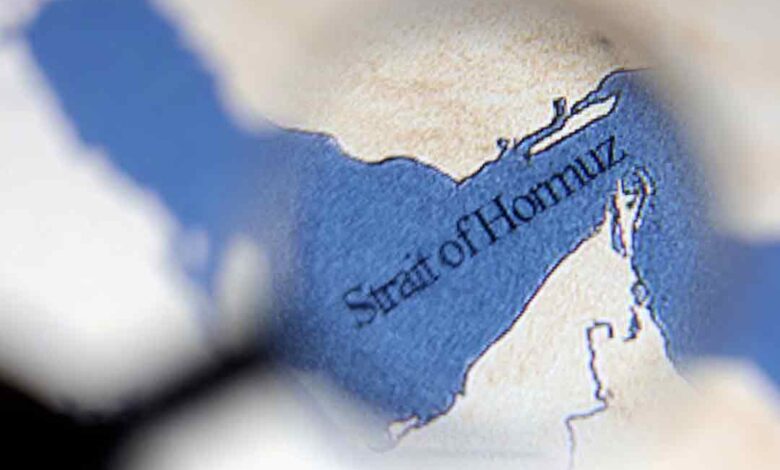
Iran War Latest: Trump’s Strait of Hormuz Blockade Escalates Tensions as Ships Seized and Oil Prices Surge
The ongoing Iran war has entered a critical phase as tensions intensify around the strategically vital Strait of Hormuz. With the United States tightening its naval blockade under former President Donald Trump and Iran responding aggressively, global shipping, oil markets, and regional stability are facing unprecedented disruption.
Strait of Hormuz Crisis Deepens
The Strait of Hormuz, one of the world’s most crucial maritime chokepoints, has become the epicenter of the conflict. This narrow waterway handles nearly 20% of global oil shipments, making any disruption a major threat to international energy markets. Recent developments indicate that shipping activity has once again slowed dramatically after Iran effectively tightened its grip on the region.
Thousands of sailors remain stranded in the area, with reports suggesting that many vessels have been stuck for weeks. Experts warn that these crews are extremely vulnerable, describing them as “sitting ducks” amid rising military tensions and repeated attacks on commercial ships.
Iran Seizes Ships Amid Escalation
In a dramatic escalation, Iranian forces recently seized at least two international vessels and opened fire on another in the Strait of Hormuz. These aggressive moves are seen as retaliation against the US-led blockade targeting Iranian oil exports and shipping routes.
Iran has also hinted at taking full “sovereign control” of the strait, a move that could fundamentally reshape global trade routes. Such a decision would further complicate diplomatic efforts and could trigger broader international involvement.
Additionally, Tehran has reportedly started collecting tolls from ships passing through the waterway, signaling an attempt to assert economic control over the region despite international criticism.
Trump’s Blockade Strategy and US Actions
The United States, under Donald Trump’s direction, continues to enforce a strict maritime blockade aimed at crippling Iran’s economy. The White House claims the blockade is “successful” and is significantly limiting Iran’s ability to export oil.
US forces have also expanded operations beyond the Gulf, boarding and inspecting vessels suspected of transporting Iranian oil in international waters. These actions highlight Washington’s broader strategy to isolate Iran economically while avoiding direct large-scale military confrontation.
However, critics argue that the blockade has not been entirely effective, as some Iranian-linked tankers have reportedly managed to bypass restrictions, generating substantial revenue despite sanctions.
Oil Prices Surge and Global Impact
The instability in the Strait of Hormuz has already begun to impact global markets. Oil prices have risen sharply following attacks on ships and increased military activity in the region.
Given the strait’s importance, prolonged disruption could lead to sustained increases in fuel prices worldwide, affecting economies far beyond the Middle East. Analysts warn that even temporary closures or restrictions can trigger significant volatility in global energy markets.
Diplomatic Deadlock and Ceasefire Struggles
Despite ongoing efforts, diplomatic progress between the US and Iran remains stalled. Iran has made it clear that lifting the US blockade is a key condition for any meaningful negotiations. Without this, officials say it is “impossible” to fully reopen the Strait of Hormuz.
Meanwhile, a fragile ceasefire linked to the broader regional conflict—including tensions involving Israel and Lebanon—continues to hold only partially. Violations on both sides have raised concerns that full-scale fighting could resume at any moment.
Regional Fallout: Lebanon Conflict Intensifies
The crisis is not limited to the Gulf. In neighboring Lebanon, violence has escalated alongside the Iran war. An Israeli airstrike recently killed a journalist sheltering in southern Lebanon, sparking international outrage and calls for accountability.
This highlights how the Iran conflict is increasingly intertwined with other regional tensions, raising fears of a wider Middle East war.
What Happens Next?
The situation remains highly volatile. Iran’s potential move to take full control of the Strait of Hormuz, combined with continued US enforcement of the blockade, could push the conflict into an even more dangerous phase.
At the same time, global economic pressure—especially rising oil prices—may force international powers to intervene diplomatically. However, with both sides holding firm positions, a resolution appears unlikely in the short term.
The Iran war has reached a critical turning point, with the Strait of Hormuz at the center of geopolitical, economic, and military tensions. As ship seizures increase, oil prices rise, and diplomacy stalls, the risk of further escalation continues to grow.
For now, the world watches closely as two powerful nations remain locked in a high-stakes standoff that could reshape global trade and security.