$9 Million Counterfeit Jewelry Seized in Louisville by U.S. CBP: Major Crackdown on Fake Luxury Goods
U.S. Customs and Border Protection seized over $9 million worth of counterfeit jewelry in Louisville. Learn how fake luxury goods are entering markets and what it means for consumers.

Massive Counterfeit Jewelry Bust in Louisville
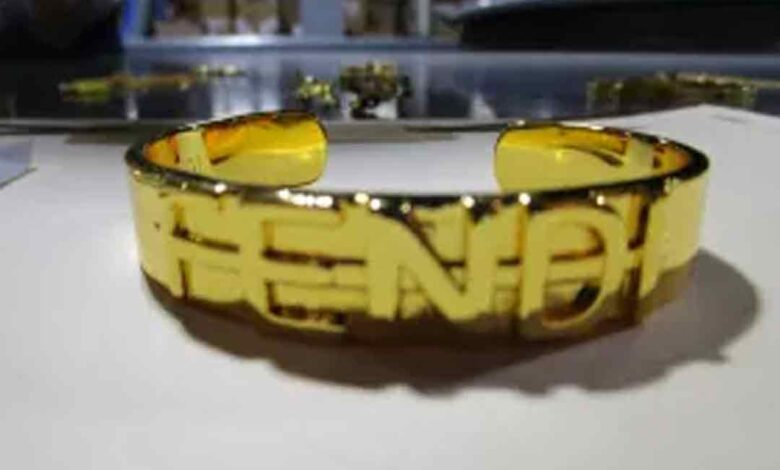
In a major crackdown on counterfeit goods, the U.S. Customs and Border Protection (CBP) intercepted over $9.2 million worth of fake luxury jewelry at a shipping facility in Louisville, Kentucky.
The seizure involved 1,588 counterfeit items, including earrings, bracelets, necklaces, and rings. If genuine, these products would have carried a massive retail value exceeding $9 million.
Fake Designer Brands Targeted
Authorities revealed that the seized items were designed to imitate some of the world’s most prestigious luxury brands, including:
- Cartier
- Gucci
- Tiffany & Co.
- Louis Vuitton
- Chanel
CBP officials confirmed that every item was counterfeit after verification with trademark holders and trade experts.
Shipment Details and Investigation
The counterfeit jewelry shipments originated from Hong Kong and were destined for a residence in New York. Officers flagged the packages as suspicious during inspection and detained them for further investigation.
After detailed analysis by CBP’s trade specialists, all goods were officially classified as counterfeit and seized under U.S. law.
Rising Threat of Counterfeit Goods
Officials warn that the rapid growth of e-commerce has made it easier than ever for counterfeit products to enter global markets.
According to CBP data:
- Americans spend over $100 billion annually on counterfeit goods
- Around 20% of fake products worldwide are purchased by U.S. consumers
- In fiscal year 2025 alone, CBP seized counterfeit goods worth $7.3 billion (if genuine)
Why Counterfeit Jewelry Is Dangerous
CBP emphasized that counterfeit goods are not just about brand imitation—they pose serious risks:
- Poor quality materials and safety hazards
- Lack of regulatory compliance
- Potential links to forced labor and criminal networks
- Economic losses for legitimate businesses and workers
CBP Issues Warning to Consumers
Louisville Port Director Phil Onken urged consumers to stay vigilant and purchase only from trusted retailers.
Counterfeit goods threaten businesses, workers, and even consumer safety.
Authorities continue to encourage the public to report suspicious imports and avoid deals that seem “too good to be true.”
The $9 million counterfeit jewelry seizure in Louisville highlights the growing scale of global counterfeit trade. As online shopping expands, both authorities and consumers must remain cautious to combat the spread of fake luxury goods.