WWE WrestleMania 42 Saturday Results: Full Match Winners, Highlights & Shocking Moments (Night 1)

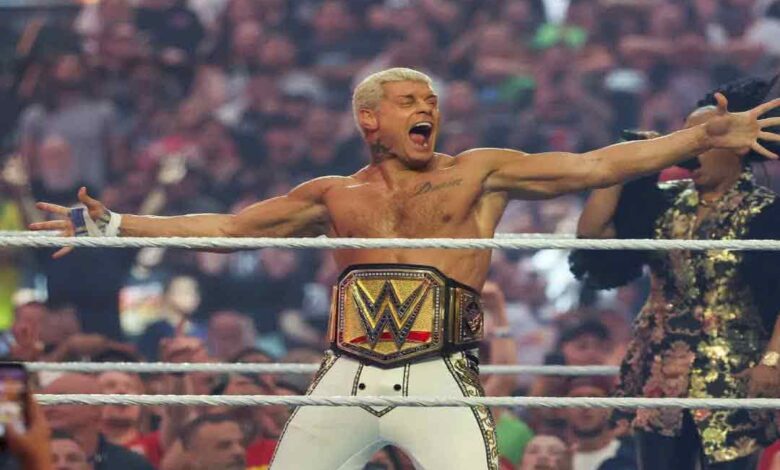
WWE WrestleMania 42 Saturday Results (Night 1)
WWE WrestleMania 42 kicked off with a blockbuster Night 1 event on April 18, 2026, at Allegiant Stadium in Las Vegas. The show delivered high-octane action, shocking returns, championship changes, and a dramatic main event featuring Cody Rhodes vs Randy Orton.
Here are the complete results, winners, and highlights from WrestleMania 42 Saturday.
Full Match Results – WrestleMania 42 Night 1
1. Six-Man Tag Team Match
LA Knight & The Usos vs Logan Paul, Austin Theory & IShowSpeed
👉 Winners: LA Knight & The Usos
- LA Knight sealed the victory with his signature BFT finisher.
- Post-match chaos saw Logan Paul attack IShowSpeed before retaliation.
2. Unsanctioned Match
Jacob Fatu vs Drew McIntyre
👉 Winner: Jacob Fatu
- Brutal weapons-based match with tables, chairs, and chaos.
- Fatu finished McIntyre with a devastating moonsault through a table.
3. WWE Women’s Tag Team Championship – Fatal 4-Way
👉 Winners (New Champions): Paige & Brie Bella
- Paige made a shocking return and replaced Nikki Bella.
- Delivered RamPaige to capture the titles in a huge comeback moment.
4. Women’s Intercontinental Championship
AJ Lee (c) vs Becky Lynch
👉 Winner: Becky Lynch (New Champion)
- Controversial finish involving referee distraction.
- Lynch becomes a 3-time champion.
5. Singles Match
Gunther vs Seth Rollins
👉 Winner: Gunther
- Hard-hitting match with interference from Bron Breakker.
- Gunther secured victory via submission after Rollins passed out.
6. Women’s World Championship
Stephanie Vaquer (c) vs Liv Morgan
👉 Winner: Liv Morgan (New Champion)
- Outside interference helped Morgan win her third title.
Main Event – Undisputed WWE Championship
Cody Rhodes (c) vs Randy Orton
Winner: Cody Rhodes (Retains Title)
- Chaotic storyline involving Pat McAfee and outside interference.
- Rhodes retained after hitting Cross Rhodes.
- Post-match, Orton attacked Rhodes with a brutal Punt Kick.
Key Highlights & Moments
- Paige returns after years and wins tag team gold.
- Bianca Belair announces pregnancy, creating an emotional moment.
- Multiple title changes shake up WWE divisions.
- Jacob Fatu vs McIntyre steals the show with extreme brutality.
WrestleMania 42 Night 1 Summary
- Total Matches: 7
- Title Changes: 3
- Biggest Winner: Cody Rhodes (retains in main event)
- Breakout Moment: Paige’s surprise return
WrestleMania 42 Saturday delivered a mix of intense action, shocking returns, and storyline twists. With new champions crowned and rivalries escalating, Night 1 set the stage for an even bigger Night 2.