
Cher Files for Conservatorship of Son Elijah Blue Allman After Arrests
Cher has filed for conservatorship over her son Elijah Blue Allman, citing mental health struggles, addiction issues, and inability to manage finances.

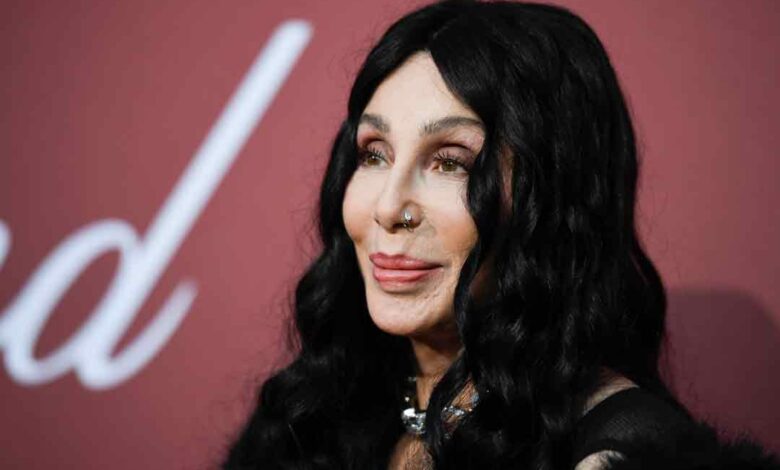
Cher Moves to Protect Son’s Finances and Well-Being
Music legend Cher has filed a new legal petition seeking conservatorship over her son, Elijah Blue Allman. The move comes after a series of troubling incidents, including recent arrests and ongoing struggles with substance abuse and mental health.
According to reports, the 79-year-old icon is requesting that a court appoint a temporary conservator to oversee her son’s finances, arguing that he is currently unable to manage his own affairs responsibly.
Why Cher Filed for Conservatorship
Court documents reportedly outline serious concerns about Elijah Blue Allman’s condition. Cher claims her son’s mental health has significantly deteriorated, and his drug dependency has reached critical levels.
The filing also states that he is unable to properly handle money, leaving him vulnerable to financial mismanagement and potential exploitation.
Elijah, 49, is currently receiving treatment in a psychiatric facility following multiple legal issues, including charges linked to alleged criminal activity.
Pattern of Legal Trouble and Financial Instability
Reports suggest that Elijah has been involved in several incidents in recent months, including arrests earlier this year.
Cher’s legal filing highlights a pattern of erratic behavior, including:
- Repeated legal issues
- Financial irresponsibility
- Ongoing substance abuse struggles
- Difficulty maintaining stable living conditions
She argues that without court intervention, her son’s situation could worsen further.
Previous Conservatorship Attempt
This is not the first time Cher has taken legal action. She previously filed for conservatorship in 2023 but later withdrew the petition after reaching a private arrangement.
However, the latest filing suggests that Elijah’s condition has worsened since then, prompting renewed concern from the family.
What Happens Next?
A court hearing is expected soon to determine whether a temporary conservator will be appointed. If approved, the conservator would manage Elijah’s financial matters and potentially make decisions aimed at protecting his well-being.
Cher’s latest move underscores the seriousness of the situation and her ongoing efforts to support her son during a difficult period.
The conservatorship case involving Cher and Elijah Blue Allman highlights the complex intersection of family responsibility, mental health, and legal intervention. As the court reviews the case, the outcome could have significant implications for both Elijah’s future and Cher’s role in managing his affairs.