
Tesla Begins Mass Production of Semi Trucks as Elon Musk Pushes Cybercab Robotaxi Vision
Tesla begins mass production of Semi trucks while Elon Musk pushes forward with the Cybercab robotaxi vision. Explore Tesla’s AI, autonomous driving, and EV expansion plans in 2026.

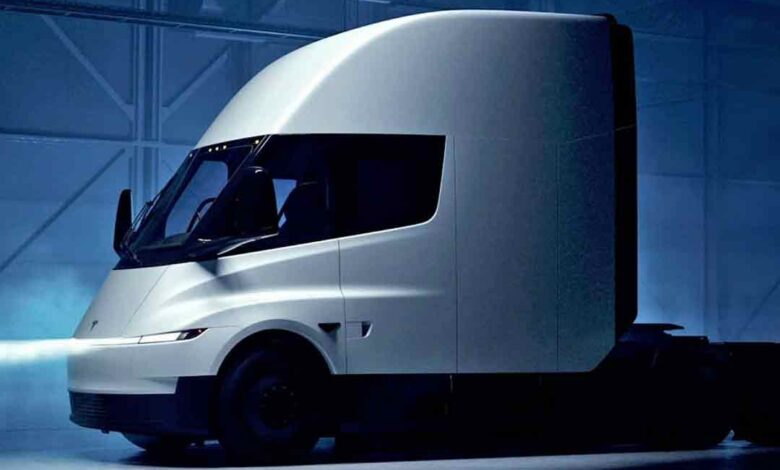
Tesla Begins Mass Production of Semi Trucks as Elon Musk Pushes Cybercab Robotaxi Vision
Tesla has officially entered a new phase in its growth journey. The electric vehicle giant has now started mass production of its long-awaited Tesla Semi truck while simultaneously accelerating development of its futuristic Cybercab robotaxi platform. The announcements mark another major step in CEO Elon Musk’s broader strategy to transform Tesla from a traditional electric car manufacturer into a company focused heavily on artificial intelligence, robotics, and autonomous transportation.
The news has generated strong interest among investors and the global automotive industry, especially as Tesla continues to expand beyond passenger EVs into commercial trucking and self-driving mobility services.
Tesla Semi Truck Finally Enters Mass Production
After years of delays and limited pilot deliveries, Tesla confirmed that the Semi truck is now being produced at scale at its Sparks, Nevada manufacturing facility. The company originally introduced the Semi back in 2017, promising to revolutionize the trucking industry with a fully electric heavy-duty transport solution.
Tesla first delivered a small number of Semi trucks to PepsiCo in 2022, but those early vehicles were largely assembled manually. The latest update confirms that Tesla has now transitioned to automated, high-volume manufacturing.
According to reports, Tesla aims to eventually produce up to 50,000 Semi trucks annually once production reaches full capacity. This could significantly reshape the commercial trucking market, especially as businesses seek cleaner transportation alternatives amid rising fuel costs and stricter environmental regulations.
Tesla Semi Features and Pricing
The Tesla Semi comes in two major configurations:
- Standard Range model with approximately 325 miles of range
- Long Range model capable of traveling around 500 miles on a single charge
The trucks reportedly offer more than 1,000 horsepower and support Tesla’s Megacharger technology for fast charging. Pricing is estimated at around $260,000 for the standard version and nearly $290,000 for the long-range model.
Although the Semi is more expensive upfront than traditional diesel trucks, Tesla claims the vehicle can reduce long-term operating costs through lower fuel and maintenance expenses. Industry analysts believe this could become a major advantage for logistics companies over time.
Elon Musk Focuses on AI and Autonomous Transportation
The Semi truck expansion comes as Elon Musk increasingly shifts Tesla’s focus toward artificial intelligence, robotics, and self-driving systems. During Tesla’s recent earnings discussions, Musk highlighted robotaxis and humanoid robots as critical future revenue drivers for the company.
Tesla has sharply increased its spending plans for 2026, with capital expenditures expected to exceed $25 billion. Much of this investment is being directed toward AI infrastructure, autonomous driving software, robotics development, and production facilities.
Despite investor excitement, some analysts remain cautious because many of Tesla’s ambitious autonomous driving projects are still in early stages and have yet to generate significant revenue.
Tesla Cybercab Robotaxi Production Begins
One of Tesla’s most talked-about projects is the Cybercab robotaxi. Musk recently confirmed that production of the futuristic self-driving vehicle has officially started at Tesla’s Gigafactory in Texas.
The Cybercab is designed as a fully autonomous electric vehicle without a steering wheel or pedals. Tesla envisions the car operating as part of a large robotaxi network where passengers can book rides through an app without needing a human driver.
Tesla showcased videos of multiple Cybercab units rolling off production lines and driving autonomously around the factory area. The vehicle is expected to become a core part of Tesla’s long-term business model centered on autonomous mobility services.
Challenges Facing Tesla’s Robotaxi Expansion
While the Cybercab launch is exciting for Tesla supporters, the company still faces major regulatory and technological hurdles before robotaxis can operate widely across public roads. Experts note that achieving fully autonomous driving safely at scale remains one of the most difficult challenges in the automotive industry.
Musk recently adopted a more cautious tone regarding Tesla’s rollout timeline, stating that expansion into additional cities will happen gradually. The company reportedly plans to expand robotaxi operations into several U.S. states over time while continuing extensive testing and safety validation.
Tesla also faces increasing competition from companies like Waymo and other autonomous driving firms that already operate driverless ride-hailing services in select markets.
Tesla Stock Reacts to Production Milestones
Tesla’s stock experienced moderate gains after the company confirmed progress on both the Semi truck and Cybercab projects. Investors appear optimistic about Tesla’s future growth opportunities beyond conventional electric vehicles.
However, the company’s shares have also faced volatility in recent months due to concerns about slowing EV demand, rising competition, and massive spending commitments related to AI and robotics development.
Still, many Tesla supporters believe the company’s aggressive investment strategy could eventually position it as a global leader in autonomous transportation and artificial intelligence technologies.
The Future of Tesla Beyond Electric Cars
Tesla’s latest developments clearly show that the company is evolving far beyond its original identity as an electric vehicle manufacturer. With the launch of mass-produced Semi trucks, expanding robotaxi programs, and heavy investment in robotics and AI, Tesla is attempting to build an entirely new transportation ecosystem.
Whether these ambitious projects succeed at scale remains uncertain, but Elon Musk’s long-term vision continues to reshape conversations around the future of mobility, logistics, and automation worldwide.