
White House Ballroom Controversy: Foreign Steel Use Sparks Debate
The White House ballroom project sparks controversy over the use of foreign steel, raising questions about America First policies, funding transparency, and political implications.

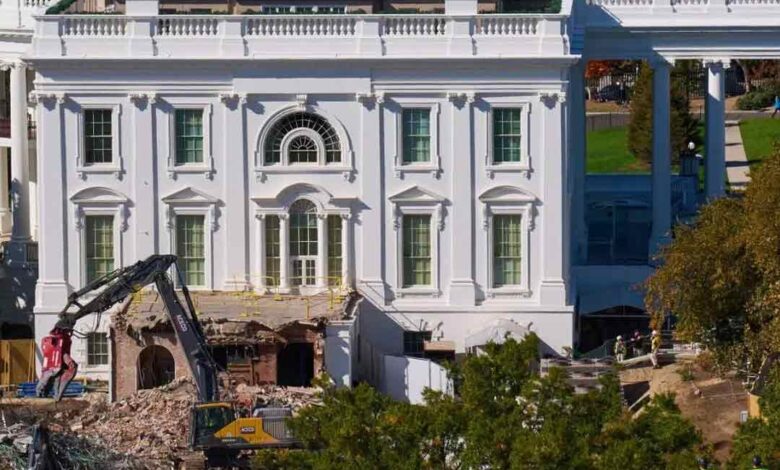
A new controversy has emerged surrounding the planned White House ballroom project, as reports reveal the use of foreign steel in its construction. The development has triggered widespread political debate and criticism, especially given former U.S. President Donald Trump’s long-standing “America First” stance on domestic manufacturing.
Key Highlights
- White House ballroom project estimated at $400 million
- Foreign steel reportedly sourced from a European company
- Critics question contradiction with U.S. protectionist policies
- Project funded largely through private donations
Foreign Steel at the Center of Controversy
According to recent reports, the White House has secured tens of millions of dollars worth of foreign steel for the construction of a new ballroom. The material is believed to come from ArcelorMittal, a Luxembourg-based steel giant.
This revelation has raised eyebrows because the project appears to contradict earlier policies that promoted domestic steel production through tariffs and trade restrictions.
“America First” Policy Under Scrutiny
The use of imported steel has fueled criticism from political opponents and analysts who argue that it undermines the “America First” economic agenda.
Donald Trump previously advocated for higher tariffs on foreign metals to support American industries. However, the ballroom project’s reliance on overseas steel has led to accusations of policy inconsistency and hypocrisy.
Project Details and Purpose
The planned ballroom is part of a major renovation of the White House complex.
- Expected size: around 90,000 square feet (East Wing expansion)
- Purpose: Hosting large-scale state events and official gatherings
- Replacement: Existing East Wing structures demolished to make space
Supporters argue that the ballroom will provide a permanent venue for state dinners and eliminate the need for temporary tents, which have been used in the past.
Funding and Ethical Concerns
The ballroom project is reportedly funded through private donations, which has sparked additional concerns about transparency and potential conflicts of interest.
Critics argue that accepting large donations—especially from corporations with global interests—could influence policy decisions or create ethical complications. Meanwhile, supporters claim the project will come at no cost to taxpayers, making it a financially viable upgrade.
Public and Political Reaction
The project has drawn mixed reactions:
- Critics: Highlight contradictions in trade policy and question donor influence
- Supporters: Emphasize modernization and cost savings for taxpayers
The debate has intensified online, with many pointing out the irony of using foreign materials in a project tied to nationalist economic messaging.
The White House ballroom project continues to be a focal point of political and public discussion. While it aims to modernize the presidential residence and improve event-hosting capabilities, the use of foreign steel has raised broader questions about policy consistency, transparency, and economic priorities.
As the project progresses, it is likely to remain a significant talking point in U.S. political discourse.