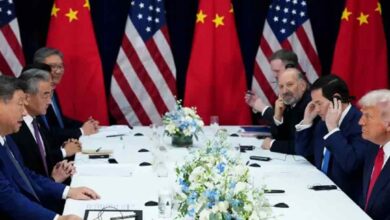
US-Iran Ceasefire Deal 2026: Terms, Conditions & What’s Next
The US and Iran have agreed to a temporary ceasefire in 2026. Here are the key terms, conditions, and what could happen next in the Middle East conflict.

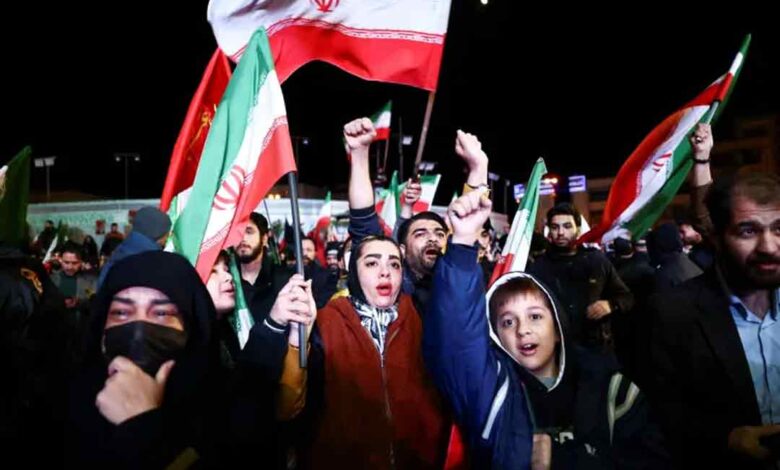
US-Iran Ceasefire Deal 2026: Key Terms, Conditions & What Happens Next
The United States and Iran have agreed to a temporary ceasefire in April 2026, marking a critical pause in escalating tensions that had pushed the Middle East toward a wider conflict. The agreement, brokered with international mediation, is being seen as a short-term de-escalation rather than a permanent solution.
Key Terms of the US-Iran Ceasefire Deal
1. Two-Week Ceasefire Period
The agreement establishes a temporary ceasefire lasting approximately two weeks, allowing both sides to halt military operations and open diplomatic channels.
2. Reopening of the Strait of Hormuz
One of the most important conditions is Iran’s agreement to reopen the Strait of Hormuz, a vital global oil shipping route. This move is expected to stabilize energy markets and ease global supply concerns.
3. Halt in Military Actions
Both sides have agreed to pause airstrikes and military operations, including those that had targeted key infrastructure and strategic locations.
4. Mediated Diplomatic Talks
The ceasefire includes plans for formal negotiations, likely hosted in Islamabad, with mediation led by Pakistan and support from other global powers.
5. Conditional Sanctions Relief (Possible)
The United States has signaled potential sanctions relief, but only if Iran agrees to broader conditions, including limits on its nuclear program.
6. Maritime Security Guarantees
The deal aims to ensure safe navigation in the Strait of Hormuz, reducing risks to global shipping and oil transportation.
What Led to the Ceasefire?
The agreement came just hours before a possible large-scale military escalation. The US had issued strong warnings, while Iran had responded with countermeasures, raising fears of a full-scale war.
International pressure and mediation efforts—especially by Pakistan—played a key role in bringing both sides to the negotiating table.
What Happens Next?
1. High-Stakes Negotiations
Diplomatic talks are expected to focus on long-standing issues such as:
- Iran’s nuclear program
- US sanctions
- Regional conflicts and military presence
These discussions will determine whether a long-term peace agreement is possible.
2. Fragile Stability
Experts warn the ceasefire is temporary and fragile, with unresolved tensions that could reignite conflict after the two-week period ends.
3. Regional Complications
The ceasefire does not fully cover all regional conflicts. For example, ongoing tensions involving Israel and Lebanon could still impact stability in the region.
4. Global Economic Impact
The reopening of the Strait of Hormuz has already helped calm global markets, particularly oil prices, but uncertainty remains.
Why This Ceasefire Matters
- Prevents immediate large-scale war
- Stabilizes global oil supply routes
- Opens door for diplomatic negotiations
- Reduces humanitarian risks in the region
However, analysts stress this is only a pause—not a resolution.
The US-Iran ceasefire deal of April 2026 represents a critical but temporary step toward de-escalation. While it brings immediate relief to global tensions, the success of upcoming negotiations will determine whether it leads to lasting peace or renewed conflict.