
Meta Shuts Down Horizon Worlds VR: A Major Shift Away from the Metaverse
Meta is shutting down Horizon Worlds on VR headsets by June 2026, pivoting to a mobile-first strategy. Here’s what it means for the metaverse future.

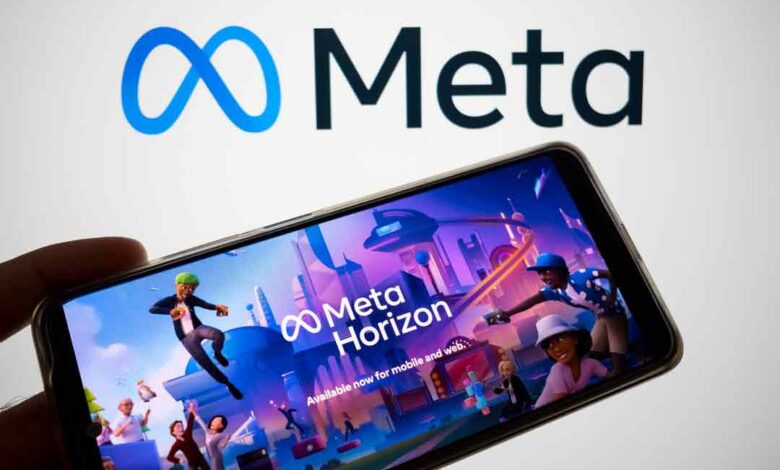
Meta Retreats from VR Metaverse Strategy
Tech giant Meta Platforms is making a major strategic shift by shutting down the virtual reality (VR) version of its flagship metaverse platform, Horizon Worlds. Once promoted as the future of social interaction in digital spaces, the platform will soon no longer be accessible on VR headsets.
The company confirmed that Horizon Worlds will be removed from its Quest VR ecosystem by the end of March 2026, with full shutdown of VR functionality expected by June 15, 2026. After that, the platform will continue only as a standalone mobile application.
From Metaverse Vision to Mobile Focus
Horizon Worlds was launched in 2021 as a central part of Meta’s ambitious metaverse vision—a fully immersive virtual world where users could socialize, work, and play using VR headsets.
However, Meta is now pivoting away from that vision. Instead of focusing on immersive VR experiences, the company is shifting Horizon Worlds toward mobile platforms to reach a broader audience.
This move highlights a significant change in direction, as Meta separates its VR hardware ecosystem (Quest headsets) from its social platform strategy.
Why Meta Is Moving Away from VR
Several factors contributed to this decision:
1. Low User Adoption
Despite heavy investment, Horizon Worlds struggled to attract a large user base. Reports suggest that the platform never reached mainstream popularity and had relatively low monthly active users compared to Meta’s other apps.
2. High Costs and Financial Losses
Meta’s Reality Labs division, responsible for VR and metaverse projects, has accumulated billions in losses over the years. The company has been under pressure to cut costs and improve profitability.
3. Shift Toward AI and Emerging Tech
Meta is increasingly focusing on artificial intelligence (AI) and smart devices, including wearable tech like AR glasses. This reflects a broader industry trend where AI is becoming a higher priority than VR.
Challenges Faced by Horizon Worlds
Horizon Worlds encountered multiple challenges that limited its growth:
-
Limited engagement compared to traditional social media platforms
-
Technical issues, including criticism of graphics and user experience
-
Niche hardware requirement, as VR headsets remain expensive for mass adoption
-
Competition from platforms like Roblox and Fortnite that are already popular on mobile
Additionally, most VR users spent time on third-party apps rather than Meta’s own platform, reducing Horizon Worlds’ overall impact.
What Happens Next for Users?
For current users, the transition means:
-
VR access will end by June 15, 2026
-
Horizon Worlds will continue as a mobile-first experience
-
Meta will likely introduce new features focused on accessibility and scale
This shift could make the platform more similar to mobile gaming and social platforms, rather than a fully immersive VR world.
Is This the End of the Metaverse?
While Meta is scaling back its VR ambitions, it is not abandoning immersive technology entirely. The company still plans to develop VR headsets and explore new ways to integrate digital experiences.
However, this move signals a broader industry reality: the metaverse, as originally envisioned, has not yet achieved widespread adoption.
Meta’s decision to shut down Horizon Worlds on VR marks a turning point in the tech industry’s approach to the metaverse. By shifting focus to mobile and AI-driven technologies, the company is adapting to user behavior and market realities.
While the dream of a fully immersive virtual world isn’t completely dead, it’s clear that the future of digital interaction may look very different from what was once imagined.