

Republican Voting Bill Explained: Key Provisions, Controversy & What It Means for U.S. Elections
Introduction
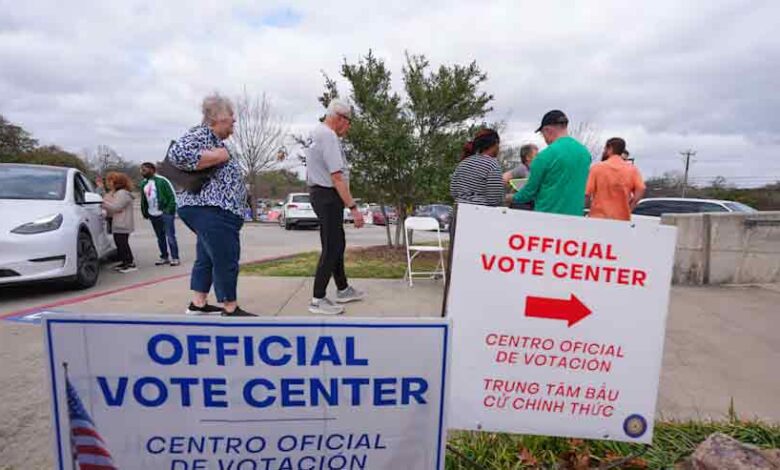
Republicans in the U.S. Senate are pushing forward a major voting reform bill ahead of the 2026 elections. The legislation, widely known as the SAVE America Act, has sparked intense political debate over election security and voter access.
This article breaks down what’s inside the bill, why it matters, and the key arguments from both sides.
What Is the SAVE America Act?
The SAVE America Act (Safeguard American Voter Eligibility Act) is a Republican-backed voting bill designed to tighten election rules across the United States.
The bill has already passed the House of Representatives and is now being pushed to the Senate floor for debate, though its chances of passing remain uncertain.
Key Provisions of the Voting Bill
1. Proof of U.S. Citizenship Required
One of the most significant changes is a requirement that voters provide documentary proof of U.S. citizenship when registering.
Accepted documents may include:
-
U.S. passport
-
Birth certificate
Most standard driver’s licenses would not qualify under the new rules.
2. Nationwide Voter ID Rules
The bill would introduce strict voter ID requirements for all federal elections, including:
-
In-person voting
-
Mail-in ballots
This would effectively create a uniform national voting standard.
3. Penalties for Election Officials
Election officials could face legal consequences if they register voters without proper citizenship documentation.
The bill also allows private lawsuits against officials who fail to enforce these rules.
4. Federal Data Sharing Requirements
States would be required to share voter registration data with federal agencies, including the Department of Homeland Security.
Supporters say this improves verification, while critics warn about privacy risks and voter purges.
Why Republicans Support the Bill
Republicans, including Donald Trump, argue that the legislation is necessary to:
-
Prevent non-citizens from voting
-
Strengthen election integrity
-
Standardize voting rules nationwide
They claim the bill will increase confidence in U.S. elections, especially ahead of the 2026 midterms.
Why Democrats Oppose It
Democrats strongly oppose the bill, arguing that it could:
-
Disenfranchise millions of eligible voters
-
Create barriers for rural and low-income citizens
-
Complicate voter registration processes
Critics also point out that voter fraud by non-citizens is already illegal and extremely rare, making the bill unnecessary.
Potential Impact on Voters
Experts warn the bill could disproportionately affect:
-
People without passports
-
Married individuals with name changes
-
Rural voters with limited access to documentation
Some analysts even suggest it could unintentionally impact certain Republican voter groups as well.
Will the Bill Pass the Senate?
Despite strong Republican backing, the bill faces major hurdles:
-
It needs 60 votes to overcome a filibuster
-
Democrats are expected to block it
As a result, the legislation is likely to face a prolonged Senate debate but uncertain passage.
Conclusion
The Republican-led voting bill represents one of the most significant proposed changes to U.S. election laws in recent years. While supporters see it as essential for election security, opponents warn it could restrict voting access.
With the 2026 elections approaching, the outcome of this bill could have a major impact on how Americans vote in the future.