
University of Maine Plans to Cut Spanish Master’s Program Amid Low Enrollment
University of Maine may eliminate its Spanish master’s degree and suspend a medical lab sciences program due to low enrollment. Full details, reasons, and impact.

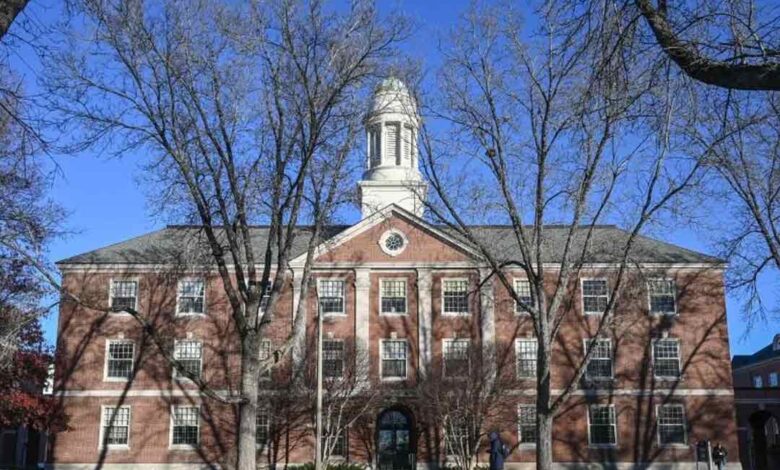
University of Maine Considers Major Academic Changes
The University of Maine is currently reviewing significant academic restructuring, including the proposed elimination of a Spanish master’s degree and the suspension of a medical laboratory sciences bachelor’s program.
These decisions come as part of broader efforts across the University of Maine System to optimize academic offerings based on student demand and program performance.
Faculty Senate Approves Program Cuts
At the Orono campus, the Faculty Senate voted to:
-
Eliminate the Master of Arts in Teaching Spanish
-
Suspend the Medical Laboratory Sciences bachelor’s program for three years
The changes still require approval from university leadership and the Board of Trustees before becoming final.
Why Is the Spanish Master’s Program Being Removed?
The main reason behind the decision is consistently low enrollment.
-
The program had only 0–3 students annually over the past five years
-
It lacked a teaching licensure pathway, which is typically expected in such degrees
University officials described the decision as difficult but necessary due to limited demand.
What Happens to Spanish Studies?
Despite the proposed cut:
-
Spanish will still be available as a major and minor
-
Undergraduate enrollment in Spanish programs remains strong and stable
This means students interested in Spanish can continue their studies, but not at the graduate teaching level.
Medical Laboratory Sciences Program on Hold
The medical laboratory sciences bachelor’s degree will be:
-
Suspended for three years
-
Reviewed later for possible permanent closure
The suspension is due to a lack of student enrollment over several years.
Broader Changes Across the University System
The University of Maine System has already made similar moves this year, including:
-
Cutting or suspending programs in cybersecurity, English, liberal arts, and French
-
Making adjustments across multiple campuses
Officials confirmed that these changes will not result in faculty layoffs or department closures.
What’s Next?
The proposal will now move through several approval stages:
-
University provost and president review
-
System-wide leadership evaluation
-
Final decision by the Board of Trustees
A final decision is expected in an upcoming board meeting.
Conclusion
The University of Maine’s decision highlights a growing trend in higher education—aligning academic programs with student demand and career relevance. While some programs face closure, the university continues to support strong-performing courses and adapt to changing educational needs.