
Restaurant Group Files for Bankruptcy, Shuts Down Minneapolis Location Amid Rising Costs
801 Restaurant Group files for Chapter 11 bankruptcy, closing its 801 on Nicollet location in downtown Minneapolis while keeping 801 Chophouse open.

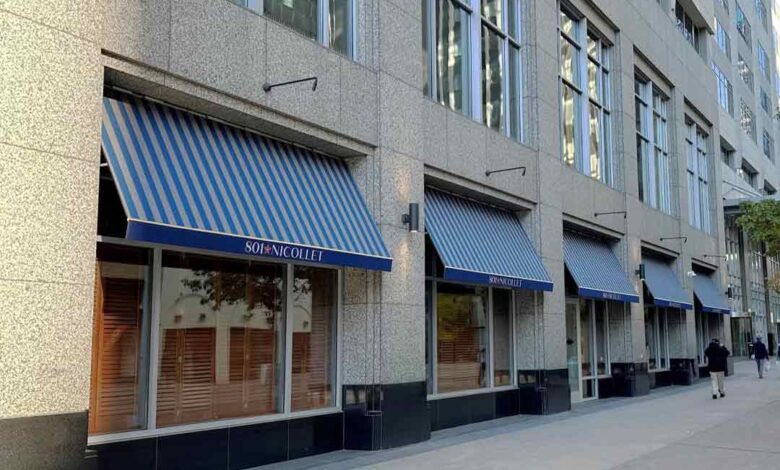
801 Restaurant Group Files for Chapter 11 Bankruptcy
A major U.S.-based restaurant company, 801 Restaurant Group, has filed for Chapter 11 bankruptcy protection, leading to the closure of one of its two restaurants in downtown Minneapolis.
The company recently shut down its restaurant, 801 on Nicollet, located inside the U.S. Bancorp Center. The closure came suddenly, with notices citing “extenuating circumstances.”
Which Restaurant Closed?
The closed outlet, 801 on Nicollet, had only opened in November 2025, making its shutdown particularly abrupt after less than six months of operation.
Before this concept, the same location housed another restaurant, 801 Fish, which also closed within a short period—highlighting ongoing struggles in the area.
What Remains Open?
Despite the bankruptcy filing, the group plans to continue operations at its other Minneapolis location, 801 Chophouse, which remains open and operational.
Chapter 11 bankruptcy allows the company to restructure its finances while continuing business operations, rather than shutting down completely.
Why Did the Restaurant Close?
Several key factors contributed to the company’s financial difficulties:
- Rising operational costs, including food and labor
- Decline in office workers in downtown areas
- Shift in customer habits toward affordable dining
- High rent in prime city locations
These challenges have significantly impacted revenue, especially in business districts that once relied on office crowds.
Bigger Trend: Struggles in Downtown Dining
The closure reflects a broader trend affecting restaurants across major U.S. cities. Since the COVID-19 pandemic, fewer employees have returned to offices, reducing lunchtime traffic and overall demand for upscale dining options.
As a result, many restaurants—especially high-end establishments—are finding it increasingly difficult to sustain profits.
What’s Next for 801 Restaurant Group?
The company, which reportedly carries significant debt, is now working on a restructuring plan under court supervision. It aims to stabilize operations, pay creditors, and continue serving customers across its remaining locations.
The bankruptcy of 801 Restaurant Group and the closure of 801 on Nicollet highlight the ongoing challenges faced by the restaurant industry, particularly in downtown business districts. While the company is not shutting down entirely, its restructuring phase will be crucial for long-term survival.