


Rising Gasoline Prices Raise Concerns for Consumers
Gasoline prices in the United States have surged recently, creating new concerns for consumers and policymakers. The increase comes as global oil markets react to escalating geopolitical tensions in the Middle East, particularly the conflict involving Iran. Analysts say disruptions to oil supply routes and uncertainty in energy markets are pushing fuel prices higher across the country.
According to recent data, the national average gasoline price has climbed to about $3.41 per gallon, marking a significant rise compared with previous weeks. The surge reflects growing volatility in global energy markets and fears that the conflict could disrupt oil exports.
How the Iran Conflict Is Affecting Oil Prices
The main driver behind the spike in gasoline prices is the surge in global crude oil prices. The ongoing conflict has raised concerns about the security of major oil supply routes, particularly the Strait of Hormuz, one of the most important energy shipping lanes in the world.
Around 20% of global oil supply normally passes through this route, making it a critical point for global energy trade. Any disruption in this area can quickly affect oil prices worldwide.
As tensions escalated, crude oil prices jumped sharply, pushing up the cost of refined fuels like gasoline and diesel. Experts warn that if the conflict continues or expands, energy markets could face even more volatility.
Fuel Prices Jump Across the United States
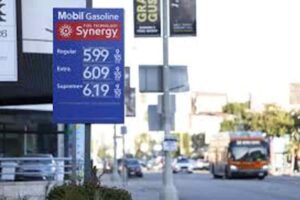
The impact of rising oil prices is already visible at gas stations across the United States. Retail fuel prices have increased significantly in recent weeks, with some regions experiencing even larger jumps.
Energy analysts report that fuel prices have risen by more than 10% in some areas following the latest developments in the Middle East. Higher transportation and refining costs are contributing to the increase, adding financial pressure on households already dealing with inflation.
Economic Impact of Rising Gasoline Prices
Higher fuel prices can have a widespread effect on the economy. When gasoline costs rise, transportation and logistics expenses increase as well, which can push up prices for goods and services.
Economists warn that prolonged energy price shocks could:
-
Increase inflation
-
Reduce consumer spending
-
Slow economic growth
-
Raise costs for businesses and transportation sectors
Rising energy costs have historically been a key driver of economic uncertainty, especially during geopolitical crises.
What Experts Predict for Fuel Prices
Energy experts say the future direction of gasoline prices will largely depend on developments in the Middle East. If oil supplies remain stable, prices could stabilize in the coming weeks. However, if tensions escalate or shipping routes are disrupted, crude oil prices could rise further.
Some analysts believe crude oil could climb above $100 per barrel, which would likely push gasoline prices even higher worldwide.
Conclusion
The recent surge in gasoline prices highlights how global geopolitical events can quickly affect everyday expenses. As tensions in the Middle East continue to influence energy markets, consumers may face higher fuel costs in the short term.
Governments and energy agencies are closely monitoring the situation, but the future of gasoline prices will depend heavily on the stability of global oil supply and geopolitical developments in the region.
Read More:
Iran Conflict Sparks Global Fuel Price Surge: How the War Is Impacting Gas and Diesel Costs Worldwide
Gas and diesel prices are rising worldwide as the Iran conflict threatens global oil supply routes. Experts warn fuel costs could surge further if tensions escalate in the Middle East.
Global Gas Prices Jump as Iran Conflict Intensifies
Fuel prices around the world are rising rapidly as geopolitical tensions involving Iran escalate and threaten global oil supply chains. The ongoing conflict has shaken energy markets, causing oil prices to spike and pushing gasoline and diesel costs higher for consumers.