
Cardi B Ignites the 2026 BET Awards With Explosive ‘Am I the Drama?’ Performance
Cardi B delivered one of the biggest performances of the 2026 BET Awards, performing songs from her album Am I the Drama? in a dramatic, high-energy stage show.

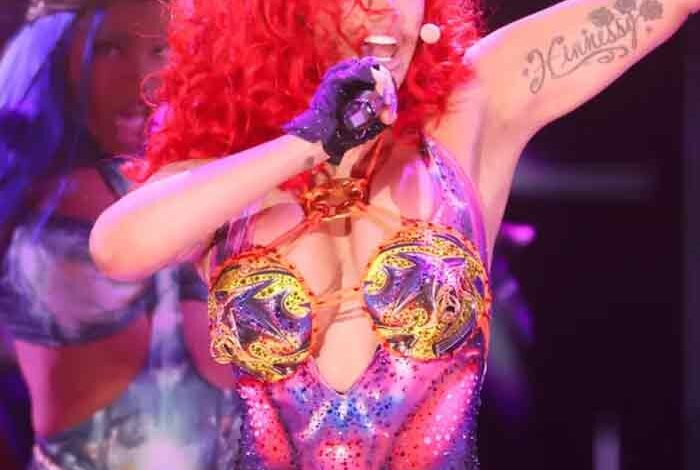
Cardi B Steals the Spotlight at the 2026 BET Awards
Cardi B made a memorable return to the BET Awards stage with an electrifying performance that quickly became one of the most talked-about moments of the night. The Grammy-winning rapper showcased tracks from her latest album, Am I the Drama?, combining theatrical visuals, powerful choreography, and signature confidence to captivate the audience.
The performance took place during the 2026 BET Awards at the Peacock Theater in Los Angeles, where music’s biggest stars gathered to celebrate excellence in Black entertainment and culture.
A Dramatic Entrance
Cardi B kicked off her performance in unforgettable fashion by appearing atop a motorcycle before launching into an energetic set. The production featured cinematic lighting, elaborate stage designs, and fast-paced choreography that matched the bold personality of her latest album.
Her stage setup included a city-inspired backdrop along with dramatic props that elevated the storytelling throughout the performance, creating one of the evening’s standout visual spectacles.
Songs From Am I the Drama?
During the performance, Cardi B delivered a medley of tracks from Am I the Drama?, including:
- Hello
- Check Please
- Errtime
- Pretty & Petty
Each song showcased a different side of the rapper’s evolving musical style while maintaining the confidence and energy fans have come to expect. The performance highlighted both hard-hitting rap verses and polished stage production.
Bold Fashion Matches the Performance
Cardi B also made headlines with her striking stage outfit. She debuted fiery red hair paired with a futuristic ensemble featuring a colorful corset, dramatic outerwear, fishnet stockings, and thigh-high boots.
Although she skipped the red carpet, her on-stage appearance immediately became one of the night’s biggest fashion moments, drawing praise across social media for its bold styling and theatrical flair.
A Major Night for Cardi B
The performance came during an important evening for Cardi B, who entered the 2026 BET Awards as one of the ceremony’s most-nominated artists. Her latest album and recent musical success have continued to cement her status as one of hip-hop’s biggest stars.
The BET Awards featured performances from several major artists throughout the evening, but Cardi B’s elaborate stage production stood out as one of the ceremony’s defining moments.
Fans React to the Performance
Shortly after the show aired, fans flooded social media with reactions praising Cardi B’s stage presence, choreography, and creative production. Many described the performance as one of the best of the night, applauding the cinematic visuals and high-energy execution.
The combination of impressive staging, confident delivery, and memorable fashion choices helped generate significant online buzz, making Cardi B one of the evening’s most-discussed performers.
Final Thoughts
Cardi B once again proved why she remains one of the music industry’s most dynamic live performers. Her 2026 BET Awards appearance blended music, fashion, choreography, and theatrical storytelling into a memorable showcase that celebrated her latest era.
With songs from Am I the Drama? taking center stage, Cardi B delivered a performance that left a lasting impression on fans and reinforced her reputation for producing unforgettable award-show moments.
More NEWS: