
NASA Artemis II Laser Communication System Beams 4K Video from Space
NASA’s Artemis II mission uses advanced laser communication to transmit 4K video, images, and data from deep space—marking a major leap in space technology.

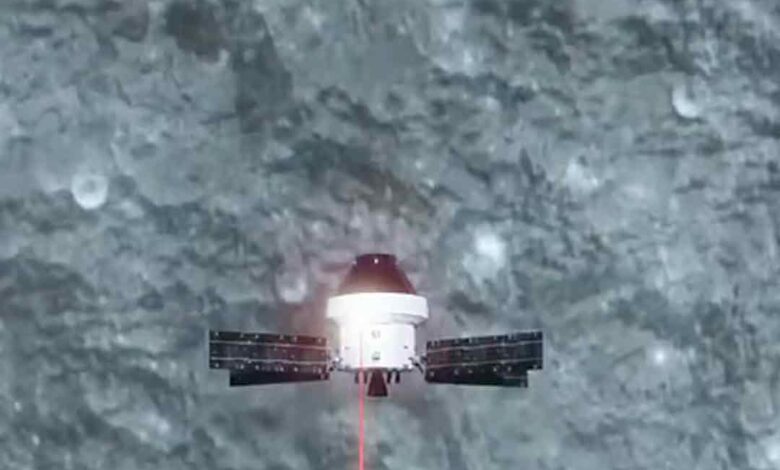
NASA Artemis II Laser System Streams 4K Video from Moon Mission
NASA is pushing the boundaries of space communication with its groundbreaking Artemis II mission. For the first time in a crewed lunar mission, astronauts are transmitting ultra-high-definition 4K video directly from space using a cutting-edge laser-based communication system.
This innovation represents a major leap forward from traditional radio communication, offering faster data speeds and higher-quality visuals from deep space.
What Is the Artemis II Laser Communication System?
The Artemis II mission is equipped with the Orion Artemis II Optical Communications system (O2O)—a next-generation laser communication technology.
- Uses infrared laser signals instead of radio waves
- Transmits 4K video, photos, voice, and scientific data simultaneously
- Supports significantly higher bandwidth than legacy systems
According to reports, the system is delivering crisp 4K visuals captured by onboard cameras, alongside mission-critical data streams.
Why This Technology Is a Game-Changer
Traditional space missions relied on radio frequency (RF) communication, which has limitations in speed and capacity. The new laser system offers:
Faster Data Speeds
Laser communications can transmit data 10 to 100 times faster than radio systems.
High-Quality 4K Video
Astronauts can now send clear, real-time visuals from space, enhancing both scientific research and public engagement.
More Efficient Communication
The system enables simultaneous transmission of:
- Video feeds
- Images
- Scientific measurements
- Voice communications
“The Camera Is the Mission”
NASA engineers emphasize that public engagement is a key goal. The mission prioritizes delivering stunning visuals back to Earth.
“The camera is the mission… we want to give back 4K video.”
With multiple onboard cameras capturing the journey, audiences on Earth can experience space exploration like never before.
How Artemis II Uses Laser Communication
The O2O system is integrated into the Orion spacecraft and works by:
- Sending laser signals from space to Earth-based receivers
- Using precise optical tracking systems for accuracy
- Delivering large volumes of data at high speed
Ground stations in clear-sky locations receive these signals, ensuring minimal disruption during transmission.
Impact on Future Space Missions
The success of Artemis II’s laser communication system could redefine how we explore space.
Future Moon Missions
Upcoming Artemis missions may rely heavily on laser communications for:
- Live streaming lunar landings
- Real-time astronaut communication
Mars Exploration
Laser systems could be essential for deep-space missions to Mars, where massive data transfer is critical.
Next-Gen Space Internet
This technology may eventually lead to a space-based high-speed communication network.
The Artemis II mission is not just about returning humans to the Moon—it’s about transforming how we communicate across space. With its advanced laser system delivering 4K video and high-speed data, NASA is setting the stage for a new era of exploration.
As technology continues to evolve, space missions will become more connected, immersive, and data-driven than ever before.