Iran President Issues Strong Message During Growing Conflict
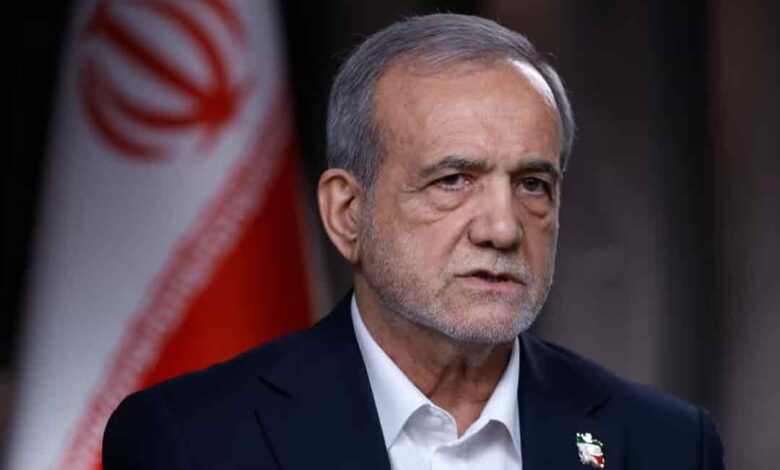
ranian President Masoud Pezeshkian delivered a strong message during the ongoing conflict involving Iran, the United States, and Israel, rejecting demands from Washington that Tehran surrender. At the same time, he attempted to ease tensions with neighboring Gulf countries after Iranian missiles and drones targeted parts of the region.

Iran President Issues Strong Message During Growing Conflict
Iranian President Masoud Pezeshkian delivered a strong message during the ongoing conflict involving Iran, the United States, and Israel, rejecting demands from Washington that Tehran surrender. At the same time, he attempted to ease tensions with neighboring Gulf countries after Iranian missiles and drones targeted parts of the region.
The war, which intensified after joint U.S. and Israeli military operations inside Iran, has spread across several Middle Eastern countries and significantly increased regional instability.
Pezeshkian Rejects U.S. Demand for “Unconditional Surrender”
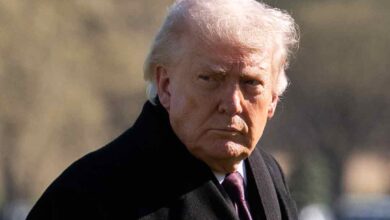
During a public address, President Pezeshkian firmly rejected calls from U.S. President Donald Trump for Iran to surrender.
He stated that such expectations are unrealistic and emphasized that Iran would not submit to foreign pressure. According to the Iranian leader, the country will continue to defend itself while seeking ways to stabilize the region.
The remarks came as military operations between Iran and its adversaries intensified, with missile strikes and air attacks reported across multiple countries.
Apology to Gulf Nations After Regional Attacks
In a surprising move, Pezeshkian apologized to neighboring Gulf states that were affected by Iranian missile and drone strikes.
He said Iran does not intend to target neighboring countries and considers them regional partners. The president also announced that Iran would avoid striking these nations in the future unless attacks against Iran originate from their territory.
The message appeared to be an attempt to reduce regional anger and prevent more countries from joining the conflict.
Signs of Internal Power Struggles in Iran
Despite the president’s announcement, missile and drone attacks reportedly continued in parts of the Gulf region shortly after his speech.
Analysts suggest this may indicate a lack of centralized control within Iran’s leadership, especially after the death of Supreme Leader Ayatollah Ali Khamenei, which created political uncertainty and weakened the command structure.
Iran’s Revolutionary Guard, which controls much of the country’s missile program, may be operating with greater independence during the crisis.
War Expands Across the Middle East
The conflict has already had devastating consequences:
-
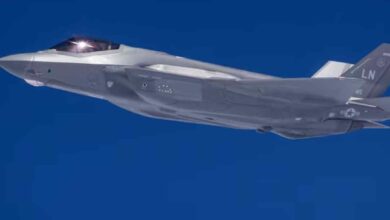
Hundreds of military targets inside Iran have been struck by U.S. and Israeli forces.
-
Missile and drone attacks have reached Gulf nations including Bahrain, Saudi Arabia, and the United Arab Emirates.
-
Civilian casualties and infrastructure damage are rising across the region.
The war has also disrupted international air travel, global energy markets, and regional security.
Global Concerns Over Escalation
International leaders and the United Nations have warned that the war could spiral into a wider regional conflict if diplomatic efforts fail.
While Iran insists it will defend itself, Pezeshkian’s message suggests that Tehran may still be open to reducing tensions—particularly with neighboring countries.
Conclusion
President Masoud Pezeshkian’s statement reflects a complex strategy: resisting U.S. pressure while trying to calm tensions with regional neighbors. However, continued attacks and internal political divisions in Iran highlight the uncertainty surrounding the future of the conflict.
As fighting intensifies and diplomatic solutions remain unclear, the Middle East faces one of its most dangerous geopolitical crises in recent years.