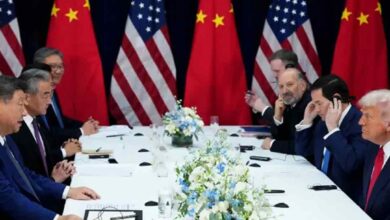
Oil Prices Rise as US-Iran Strikes Renew Fears Over Strait of Hormuz Shipping
Oil prices edged higher after renewed US-Iran strikes raised concerns over shipping through the Strait of Hormuz, increasing uncertainty in global energy markets.

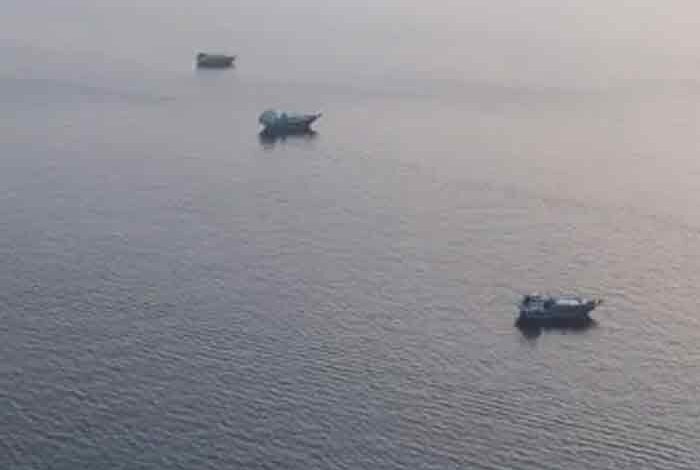
Oil Prices Climb Amid Renewed Middle East Tensions
Global oil prices moved higher on Monday after fresh military exchanges between the United States and Iran renewed concerns over the security of the Strait of Hormuz, one of the world’s most important oil shipping routes. Investors are closely monitoring developments as fears of further disruptions continue to influence energy markets.
The latest increase follows retaliatory strikes by both countries over the weekend, creating uncertainty about whether efforts to restore normal shipping operations in the Gulf region will succeed.
Why the Strait of Hormuz Matters
The Strait of Hormuz is a narrow waterway connecting the Persian Gulf with global markets. A significant share of the world’s crude oil and liquefied natural gas exports passes through this route every day.
Any military escalation or restrictions on maritime traffic can quickly impact global energy supplies, pushing oil prices higher as traders factor in the risk of supply disruptions.
Oil Prices React to Supply Concerns
Following the renewed exchange of strikes, benchmark crude prices posted modest gains:
- Brent crude traded above $72 per barrel.
- US West Texas Intermediate (WTI) crude also moved higher, approaching $70 per barrel.
Although prices increased, they remain well below the highs recorded earlier during the 2026 Middle East conflict, reflecting cautious optimism that diplomacy could still prevent a larger disruption to oil exports.
Shipping Remains a Key Concern
Despite ongoing diplomatic efforts, shipping activity through the Strait of Hormuz has not fully returned to normal levels.
Recent attacks on commercial vessels and uncertainty surrounding maritime security continue to make shipping companies and insurers cautious. Traders fear that any prolonged disruption could tighten global oil supplies, especially for Asian markets that depend heavily on Gulf exports.
Markets Watching Diplomatic Developments
Reports indicate that both Washington and Tehran are still pursuing diplomatic talks despite the latest military exchanges.
Investors believe successful negotiations could stabilize shipping operations and reduce geopolitical risk in energy markets. However, until a lasting agreement is reached, volatility is expected to remain elevated.
Impact on Global Financial Markets
The renewed tensions affected more than just oil prices.
Stock markets across the Gulf region traded lower as investors shifted toward safer assets. Energy companies, shipping firms, and airlines remain particularly sensitive to developments involving the Strait of Hormuz because fuel costs and transportation risks can change rapidly during periods of conflict.
Meanwhile, analysts say oil markets are balancing two competing forces:
- Concerns over possible supply disruptions.
- Expectations that diplomatic negotiations could eventually ease tensions.
This combination has limited the size of recent price gains.
What Analysts Are Saying
Energy market analysts note that geopolitical risk premiums have returned to oil prices following the latest strikes. However, they also emphasize that markets are not currently expecting a complete shutdown of the Strait of Hormuz.
Instead, investors are watching for:
- Further military action between the US and Iran.
- Progress in diplomatic negotiations.
- Shipping activity through the Gulf.
- Production levels from major Middle Eastern exporters.
Any significant change in these factors could quickly influence crude oil prices in the coming days.
Outlook
Oil prices are likely to remain volatile as geopolitical tensions continue to shape market sentiment. While hopes for renewed diplomacy have prevented a sharper rally, the latest military exchanges highlight the fragile security situation surrounding one of the world’s most critical energy corridors.
As long as uncertainty remains over shipping through the Strait of Hormuz, traders are expected to closely monitor every political and military development that could affect global oil supplies.
More NEWS: