
Jet Fuel Prices Surge as Iran War Impacts Airlines Worldwide
Jet fuel prices surge amid the Iran war, impacting airlines globally. Discover how rising fuel costs could increase airfares, disrupt flights, and affect travelers in 2026.

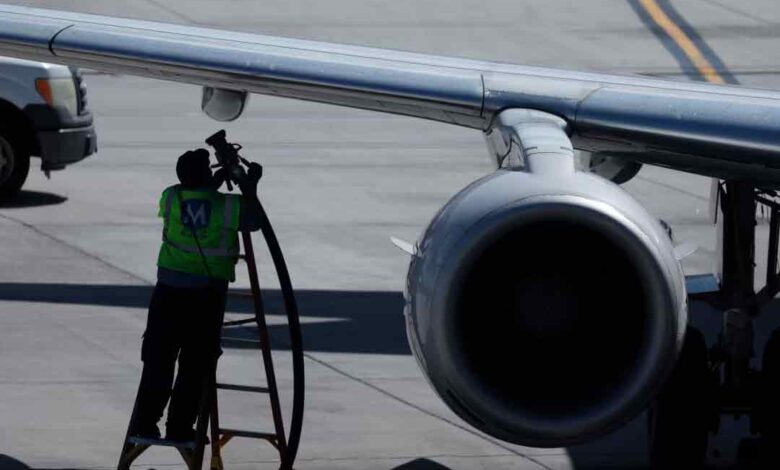
Jet Fuel Prices Surge as Iran War Impacts Airlines Worldwide
Global Airlines Face Rising Costs Amid Fuel Crisis
The ongoing Iran war in 2026 is triggering a major disruption in the global aviation industry, as jet fuel prices soar and supply chains tighten. Airlines around the world are now grappling with significantly higher operating costs, which could soon affect ticket prices and travel demand.
Jet fuel, which typically accounts for a large portion of airline expenses, has seen dramatic increases due to instability in oil markets and disruptions in key shipping routes like the Strait of Hormuz.
Why Jet Fuel Prices Are Increasing
The conflict has disrupted oil supply flows, pushing crude prices above $100 per barrel in some cases. This has led to a sharp spike in refined fuels, including aviation fuel.
Key reasons behind the surge include:
- Supply chain disruptions in the Middle East
- Restricted shipping routes affecting global oil transport
- Geopolitical uncertainty driving market volatility
- Higher refining costs due to limited crude availability
As a result, jet fuel prices have nearly doubled in recent weeks, putting immense pressure on airlines.
Airlines Struggle With Higher Operating Costs
Airlines are among the hardest hit industries because fuel can make up roughly 25% of total operating costs.
With prices surging:
- Airlines may increase ticket fares
- Some carriers are cutting routes or reducing capacity
- Others are considering fuel surcharges
In fact, global flight capacity has already dropped as airlines respond to rising expenses and uncertain fuel availability.